
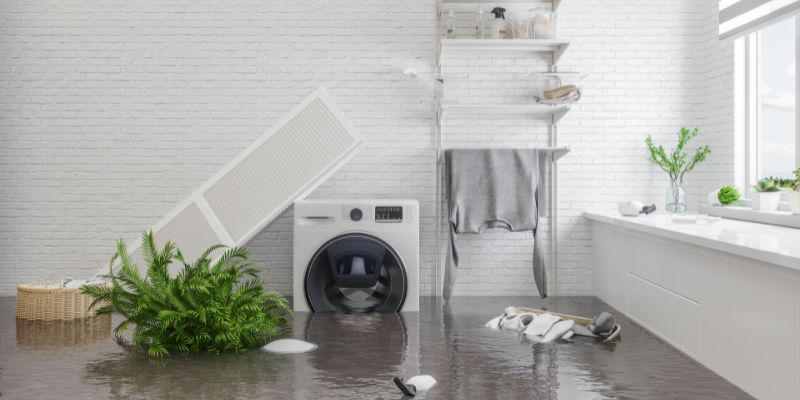
Selling a house in Atlanta with water damage can be challenging, but it’s not impossible. Whether it’s caused by flooding or pipe issues, water damage can lower a home’s value and make it more difficult to sell. However, homeowners can turn problems into opportunities to make money if they know what to do and seek help from a professional. This guide will walk you through the essential steps, including assessing the extent of the damage and making the necessary repairs, as well as collaborating with specialized real estate agents. Find out how to sell your flood-damaged home quickly and for the most money in Atlanta’s tough real estate market.
Key Highlights
- Plan ahead and get help from a professional.
- When professionals conduct checks, they often uncover problems that were previously hidden. This helps potential buyers understand and builds trust.
- Remediation that works improves both the appearance and the structure of the property, making it more attractive and ready to sell.
- Buyers will trust your property more if you make legal admissions that are clear and honest. This will help your home stand out in Atlanta’s competitive market.
- When pricing a home that has been damaged by water, it is essential to consider the cost of repairs and the current market trends. This will help you receive more offers more quickly.
Understanding Water Damage and Its Implications for Your House Sale
It can be hard to buy or sell a house in Atlanta if it has been damaged by water. When planning to sell your house after water damage, it is crucial to exercise caution, as it can significantly reduce its value. If someone in Atlanta wants to sell their house, they need to understand how water damage affects the sale. Issues like homes losing value, which can make it tough to sell, can be addressed with the right plans, tips, and assistance from real estate agents. You can still get a good price for your house if you take important steps, such as obtaining an estimate, making necessary repairs, and creating a solid marketing plan.
The Impact of Water Damage on Your Atlanta House Value
You want to sell your home for cash in Atlanta, Georgia, but it has water damage. Discover what buyers think about it and how their opinions influence the price. Water damage is often a sign of more significant problems with the building, such as mold growth and the need for long-term repairs. Most of the time, people prefer not to buy a house with even minor issues, such as uneven floors, low ceilings, water spots, or peeling paint. They do this because they think these problems will need expensive fixes that they can’t see. People who want to buy a house might look for one that appears to have been well-maintained and is ready to move into right away. People who live in homes damaged by water may not perform as well.
You need to be open and show your home in its best light if you want to sell one that has been damaged by water. People in Atlanta are discerning and particular when they make purchases. They do this even more when they view homes online, where flaws are readily apparent. Being honest, obtaining professional inspection reports, and maintaining good records of repairs are all things that help people trust and believe in you. Really good real estate agents who have sold many homes and know how to effectively market and sell properties can also be very helpful. If people can understand each other, buyers are more likely to believe that problems have been identified, addressed, and appropriately resolved.
When it comes to money, water damage can render homes less valuable and limit the number of homes that owners can afford to purchase. People may take longer to buy your house after this. If you want to sell your home, you may need to be flexible about the price you want to receive or be willing to offer concessions, such as covering closing costs, repair costs, or home warranties. There are times when people don’t know how much fixes will cost. To calm their fears, point out as many problems as possible right away, and be honest about the amount of work still needed to be done. Even if there is water damage, you can still get serious buyers and sell the house. Just make sure you set the right price and plan ahead.
How Water Damage Affects the Selling Process
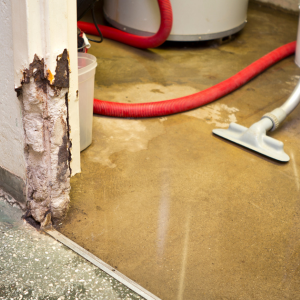
It might be hard to sell your Atlanta home if it has water damage. There are several ways in which the deal differs. Calling the police is one of the most important things you can do. Individuals who have experienced water damage to their homes should notify their insurance company immediately. This is about things that happened in the past, issues that have been resolved, and fears that remain. Since telling lies or making up facts is against the law, it’s best to be open and honest. Being honest and good marketing go hand in hand for people who sell things because that’s how things work. Additionally, they should inform people promptly about what to expect.
Working with real estate agents who know how to fix up water-damaged homes can be very helpful. They know how to showcase these homes to the right people, such as the owners, those who want to renovate them, and individuals seeking to save money. People can discuss more than just the positive aspects of the land. They can also discuss the future or how the price can be adjusted. They can connect people who want to sell their homes but need to make repairs with builders. They trust you more, so the deal goes through faster, even if there is damage.
People are more cautious when closing a deal on a house with water damage, so the process takes longer. The house needs to be checked out. This means the sale will take longer. People who want to sell their homes will likely be advised to do one of three things: lower the price, make repairs, or take another approach. Identify which breaks need to be fixed immediately and which ones can be addressed later. This is a big part of the plan. It is still possible for people to buy a home in Atlanta if they plan ahead, come up with creative ways to sell their current home, and are ready to deal. Nance Homebuyer can help by guiding you through the process.
Get a Professional Inspection to Assess Damage
If you live in Atlanta and want to sell your home, consider hiring a professional to inspect for water damage. Along with providing a true picture of the house’s current state, this also gives you an idea of the scope of any necessary repairs that may be required. Water damage can be intimidating, but a professional inspection can guide you through the process, enabling you to fully understand the situation and make an informed decision. It’s a step that can make things much clearer for possible buyers, which will make the selling process go more smoothly and quickly.
The Importance of a Thorough Water Damage Inspection
There are steps you should take before attempting to sell a water-damaged Atlanta house. This will help you determine the extent of the damage. If there are problems with the way something looks, or if there are significant structural issues, such as faulty wiring, weak foundations, or mold and mildew, an inspection can reveal them. These are problems that many people in Atlanta face, which can be difficult to recognize. Before the house is sold, this professional inspection ensures there are no major issues with it.
After the check, sellers will also have a good idea of the cost of repairs, the time required, and the associated expenses. If people understand the extent of the damage, they can determine the right price for their house. It will lose value if they price it too low, and people will lose attention if they price it too high. Be honest with buyers about the results of the check and your plans to fix the problem. This fosters trust and keeps negotiations on track, which benefits everyone.
Repair records and reports are crucial these days, as the real estate market is heavily data-driven. Buyers who want to demonstrate their responsibility show they are serious by providing detailed reports about the house’s condition. An inspection does more than just look at a house; it often suggests changes that will improve its appearance. All of these changes, from small tweaks to set items meant to save energy, are possible. These checks are more than just a safety step in Atlanta’s tough real estate market. They also make it easier to sell and help people trust the house.
Addressing Repairs and Remediation for Water Issues
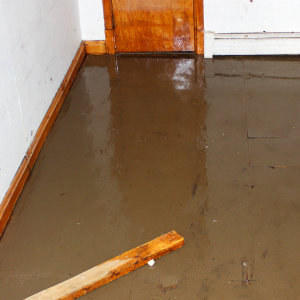
A house in Atlanta that was damaged by flooding should be repaired and cleaned before it is listed for sale. When deciding whether to renovate their house or leave it as is, homeowners must consider their financial situation and potential return on investment. Additionally, you need to know how to effectively repair water damage so that the house is in good condition and ready for sale. You can handle these issues effectively and achieve the best possible results as a buyer if you seek professional help and make informed choices. You can fix your water-damaged home in a way that will help you do well in Atlanta’s tough real estate market. Find out what your options are.
Repair or Leave As-Is: Making the Right Choice
It can make a big difference in Atlanta’s sale price and the amount of time a house is on the market, whether you fix water damage or sell it as-is. People who want to move in right away may be more interested in a home if it has structural issues, damaged floors, or wall stains that require repainting. However, in this case, buyers should seriously consider whether the repairs are worth the cost.
If the house requires extensive repairs or you don’t have much time, selling it as-is might be the best option. Deals originating from this direction are typically not very favorable, but they can attract investors or cash buyers interested in purchasing projects that require renovation. Because the Atlanta market is so competitive, you can attract this group of buyers by focusing on the home’s location, layout, and potential future value, rather than its current appearance.
Ultimately, the best approach to a task depends on the buyer’s needs, budget, and timeframe. Mold or damage to the building is usually the most critical health and safety issue to address first. Changes that aren’t as important might be able to wait. Real estate agents with extensive knowledge can help sellers find the best mix of buyers and sellers. This helps them make informed choices that facilitate a smoother sale and increase their earnings.
Effective Remediation Techniques for Water Damage
Getting rid of water damage the right way is important if you want to sell your house fast for cash in Georgia. It makes the house look better and safer. Identify the source of the leak and address it promptly. This might be due to floods, a severe storm, or persistent sewage issues. Water issues that remain unaddressed are generally a red flag for savvy buyers. This can quickly turn them off and lower the property’s value. These problems need to be addressed immediately.
It’s not enough to just make something look better; fixing it requires more than that. Getting to the bottom of problems that have been there for a long time. To accomplish this today, you need to repair broken floors, walls, and ceilings. To maintain good health, it is also essential to eliminate mold with the assistance of experts. Antimicrobials and air screens were used to make the house safe and appealing to people who care about the quality of the air inside. Installing sump pumps, making basements waterproof, or adding dehumidifiers can improve the appearance of the house by reducing the risk of future water damage.
For the sake of safety and the market, skilled repair experts and real estate agents should work together on the job. Buyers can see changes that make the house more valuable, and sellers can be sure that the house is ready to move into. It’s challenging to enter Atlanta’s real estate market. People who plan their fixes ahead of time can secure better offers, sell their home faster, and gain the trust of potential buyers.
Disclosing Water Damage to Potential Buyers
To sell your Atlanta home, you need to prove that it is free from water damage. Part of this process is finding out what the law says about you. This helps you be honest and earn the trust of potential customers who may buy from you. Disclosure helps people who want to buy by providing useful information, and it also keeps sellers out of legal trouble. People who want to sell a house damaged by water can better address the associated issues if they know what to say and how to say it. If they do it right, they can get a good result.
Understanding Legal Obligations When Selling an Atlanta House
After water damage, there are important guidelines you must follow if you want to sell your Atlanta home. These rules are meant to protect both buyers and sellers. Full exposure has to be done and can’t be skipped. Laws can become very strict if you fail to report water damage. You could be fined or sued. Sellers who know and follow these rules will not only avoid legal trouble but also be able to sell their homes more quickly to potential buyers who are familiar with their state’s regulations.
To tell the truth, you need to say more than “there was water damage.” The seller needs to be clear about what went wrong, the extent of the damage, and what steps were taken to rectify it. People who are buying homes in Atlanta expect sellers to be truthful and back up their claims with inspection reports, contractor bills, and records of repairs. This is because buyers are smart and the market is very competitive. Giving away everything you know can help the talk process because it builds trust, makes buyers less hesitant, and shows that you are responsible for what you do.
To sell a home in Atlanta, it is advisable to work with skilled real estate agents who are familiar with the local regulations, such as those established by the Georgia Real Estate Commission. These individuals are responsible for ensuring that disclosures are complete, accurate, and presented in a clear and correct manner. They also record any improvements made after the fixes. Following all the rules and being open and honest are important for sellers in Atlanta’s fast-paced housing market. This helps them protect themselves, build trust with buyers, and close the deal more efficiently.
Pricing Your Home Competitively in the Atlanta Market
If you want to sell a house in Atlanta that has been damaged by water, you need to set the right price. Being aware of how the Atlanta real estate market operates will help you determine the optimal price to charge for your property. What the buyer wants, the extent of water damage, and the state of the local market are all important factors. This guide will explain these concepts in more detail and provide advice on how to negotiate a fair cash deal that attracts buyers quickly. This will help your house sell faster.
Contact us immediately to create a plan for maximizing the sale of your house for the best possible price.
Factors to Consider When Pricing a House with Water Damage
Pricing a house with water damage in Atlanta requires a strategic balance between market expectations, repair costs, and buyer perception. The first step is to evaluate the extent of the damage, including structural concerns, mold, and visible wear, as these factors directly influence buyer confidence and their willingness to make an offer. Buyers often prioritize safety and livability, so understanding how the damage impacts these areas is essential when setting a realistic price.
Repair costs play a major role in determining pricing strategy. Accurately estimating remediation expenses helps sellers determine whether completing key repairs will increase the value or if pricing the home lower, as-is, is a more practical option. Homes with completed repairs may attract buyers seeking move-in-ready properties, while discounted pricing can appeal to investors or cash buyers interested in renovation opportunities. Aligning price with repair realities helps position the property competitively within Atlanta’s market.
Local market conditions, transparency, and incentives further shape pricing decisions. Understanding demand trends and working with an experienced Atlanta real estate agent can help sellers adjust pricing based on market activity. Full disclosure of water damage and repairs builds buyer trust and reduces negotiation friction. Offering incentives such as closing cost assistance, warranties, or highlighting recent upgrades can help offset buyer concerns, improve appeal, and facilitate faster or stronger offers in a competitive environment.
Ready to sell your home without the stress? Whether you need a fast sale or want to avoid costly repairs, Nance Homebuyer makes the process simple by providing fair, no-obligation cash offers, handling all the details, and ensuring peace of mind throughout the process. Call +17707582729 today to get started.
FAQs:
What are the main challenges of selling a water-damaged house in Atlanta?
The main challenges include decreased property value, potential health risks from mold and mildew, complex sales processes due to the need for explicit disclosures, and managing repair costs. Additionally, buyer caution and potential legal pitfalls due to insufficient disclosure are significant hurdles.
How important is disclosure when selling a water-damaged property?
Disclosure is critical in selling a water-damaged property. Sellers must legally disclose details of any damage to potential buyers, including past incidents, repairs, and any ongoing issues, to avoid legal risks and build trust with buyers. Full transparency is essential in the competitive Atlanta real estate market.
What role do inspections play in the selling process of water-damaged homes?
Professional inspections are crucial in identifying hidden damage and providing an accurate assessment of the home’s condition. These inspections facilitate clear disclosures, establish realistic repair cost expectations, and enhance transparency with potential buyers, ultimately facilitating a more efficient sales process.
How can homeowners increase the marketability of a water-damaged house?
Homeowners can increase marketability by conducting effective remediation, such as repairing structural issues and mold removal, which restores the home’s integrity. Highlighting location advantages and potential renovations can also attract investors or buyers looking for properties with long-term value.
What are strategic pricing considerations for selling a flood-damaged home in Atlanta?
Pricing should consider the extent of damage, estimated repair costs, and current market conditions. It involves setting a competitive price that reflects the home’s condition and offering incentives such as covering closing costs or providing home warranties to attract offers from cash buyers or investors.
Helpful Atlanta Blog Articles
- Selling a House to a Family Member in Atlanta, GA
- Selling a Home with a Reverse Mortgage in Atlanta, GA
- Can I Sell a House with a Quitclaim Deed in Atlanta, GA?
- Sell House with Water Damage in Atlanta, GA
- A Guide to Selling a House with Termite Damage in Atlanta, GA
- Selling Rental Property at a Loss in Atlanta, GA
- Should I Replace My Roof Before I Sell My House in Atlanta, GA?
- Selling a House with Solar Panels in Atlanta, GA
- Selling an Old House in Atlanta, GA